
Ireland’s New Online Betting Licence System Officially Takes Effect
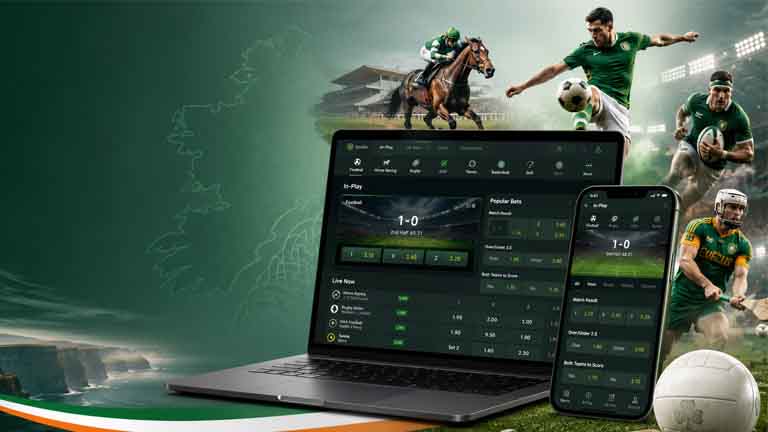
 Ireland has entered a new era of gambling regulation after the country’s first licences for remote betting operators officially took effect on July 1, 2026.
The licences were issued by the Gambling Regulatory Authority of Ireland, commonly known as the GRAI, under the Gambling Regulation Act 2024. Their commencement represents one of the most significant steps taken so far toward modernising the country’s gambling industry.
Online bookmakers, telephone betting services and remote betting intermediaries that provide services in Ireland must now hold a licence from the GRAI. The new system replaces the previous fragmented approach with a central regulator responsible for licensing, supervision and enforcement.
Irish players can learn more about the legislation behind these changes in our guide to Ireland’s gambling laws.
New Requirements for Online Betting Operators
The initial licences apply to companies offering remote betting rather than every form of internet gaming. This primarily includes online sportsbooks, telephone bookmakers and betting intermediaries such as exchanges that facilitate wagers between customers.
Licensed operators must comply with new rules concerning age verification, customer accounts, the payment of winnings and responsible gambling protections. The regulations also prohibit licensed betting providers from accepting credit card payments or extending credit to customers.
Anyone comparing legal sportsbooks in Ireland should therefore expect operators to provide clearer information about their Irish licensing status and the protections available to account holders.
The GRAI’s public register was last updated on July 15, 2026, and will continue to be revised as additional operators complete the licensing process. The regulator notes that recently approved companies may not appear until the following register update.
Online Casino Licensing Will Come Later
The current phase covers remote betting activities. Casino games, slot machines, lotteries and other games of chance or skill are not classified as betting services under this stage of the framework. Licences for those products are expected to be introduced during later phases of the regulatory rollout.
This distinction is important for anyone visiting online casinos available to Irish players. A casino website may hold a recognised international licence while not yet possessing a GRAI gaming licence, as the domestic application process for that category has not fully commenced.
Retail bookmakers are also transitioning separately. Ireland began accepting applications for both remote and in-person betting licences in February 2026, but the first authorisations to become active were those covering online and other remote services.
What the Change Means for Irish Players
For most recreational bettors, placing an online wager will continue to feel familiar. The biggest differences should occur behind the scenes, where operators must demonstrate that they meet Ireland’s new licensing and compliance standards.
The regulator can investigate alleged breaches of licence obligations, supervise approved operators and take enforcement action when companies fail to follow the law. However, the GRAI has clarified that it does not act as an arbitrator for ordinary disputes between players and betting companies.
The July 1 commencement nevertheless marks a major turning point. After years of relying on laws written before online betting became widespread, Ireland now has an active national licensing system specifically designed for the modern gambling market.